Most Common AC Failures and How to Prevent Them
Air conditioning systems are engineered for reliability, but like all mechanical and electrical equipment, they can develop faults over time — especially when maintenance is neglected. Recognising the early warning signs of common problems allows you to act before a minor issue becomes a major and expensive repair. In this article, we cover the most frequent AC failures we encounter in our service work across Warsaw and explain what causes them.
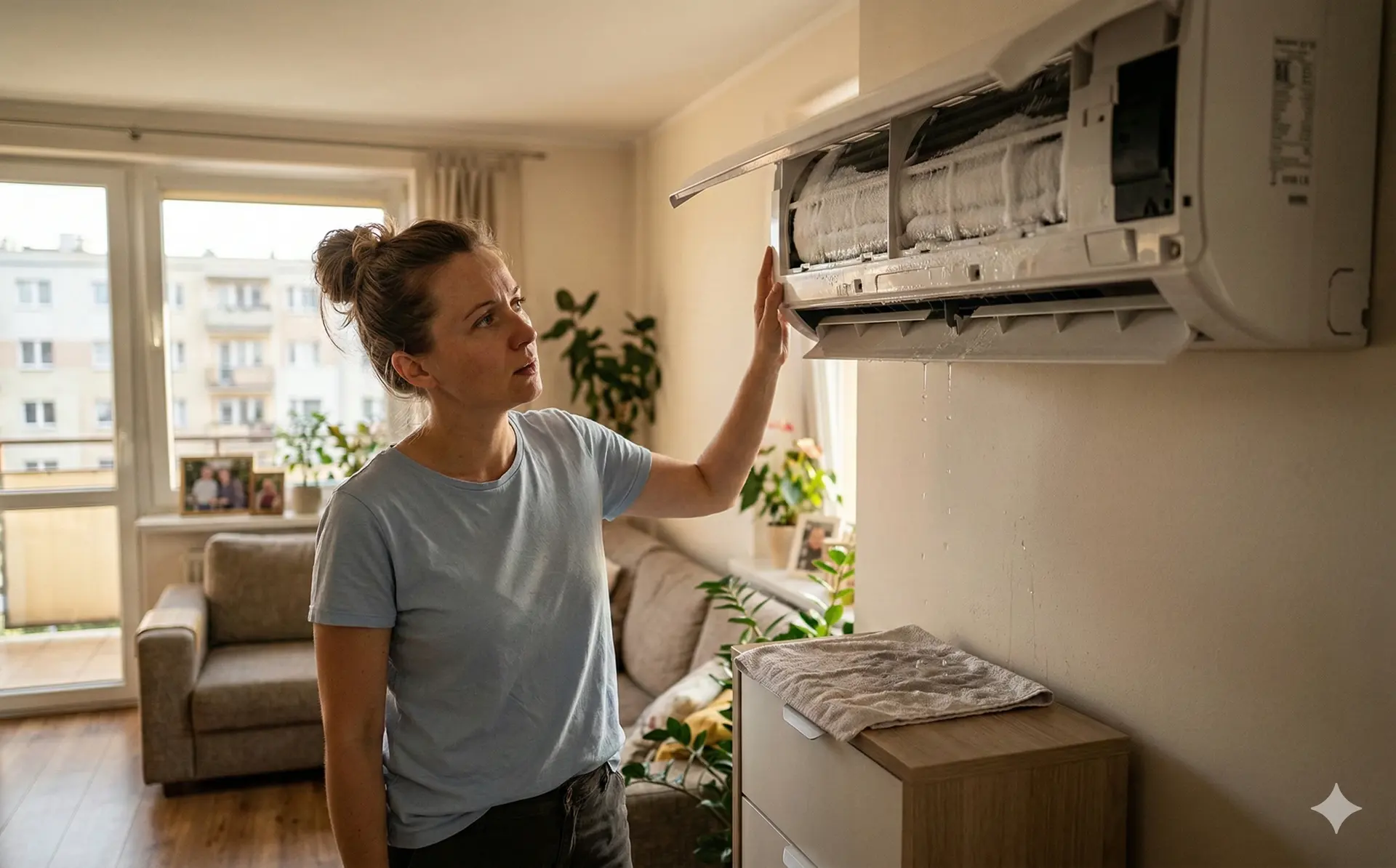
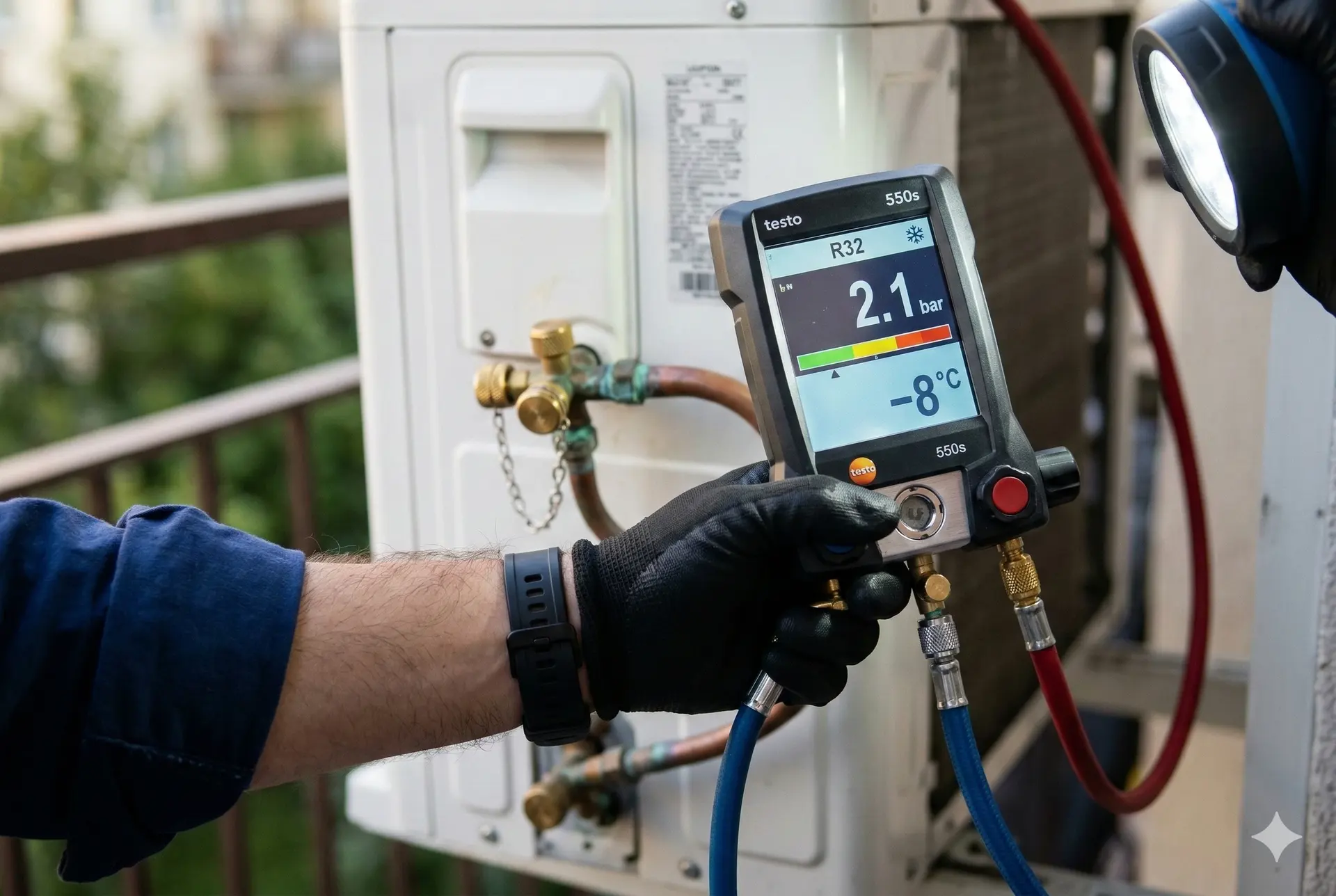
Frozen evaporator coils are one of the most common problems we see, and they typically result from restricted airflow or low refrigerant levels. When filters are clogged with dust or furniture blocks the indoor unit's air intake, the coil temperature drops below freezing and ice forms on its surface. Low refrigerant charge — usually caused by a slow leak at a flare connection — has the same effect. If you notice ice forming on the indoor unit or a significant drop in cooling performance, switch the system off immediately and call a technician to diagnose the root cause.
Water leaks from the indoor unit are another frequent complaint and are almost always caused by a blocked condensate drain line. During normal operation, the AC removes moisture from the air, which collects in a drain pan and flows out through a small pipe. Over time, algae, dust and debris can clog this pipe, causing water to back up and overflow inside the room. Regular flushing of the drain line during annual maintenance prevents this issue entirely. In some cases, a faulty or incorrectly installed drain pan can also be responsible.
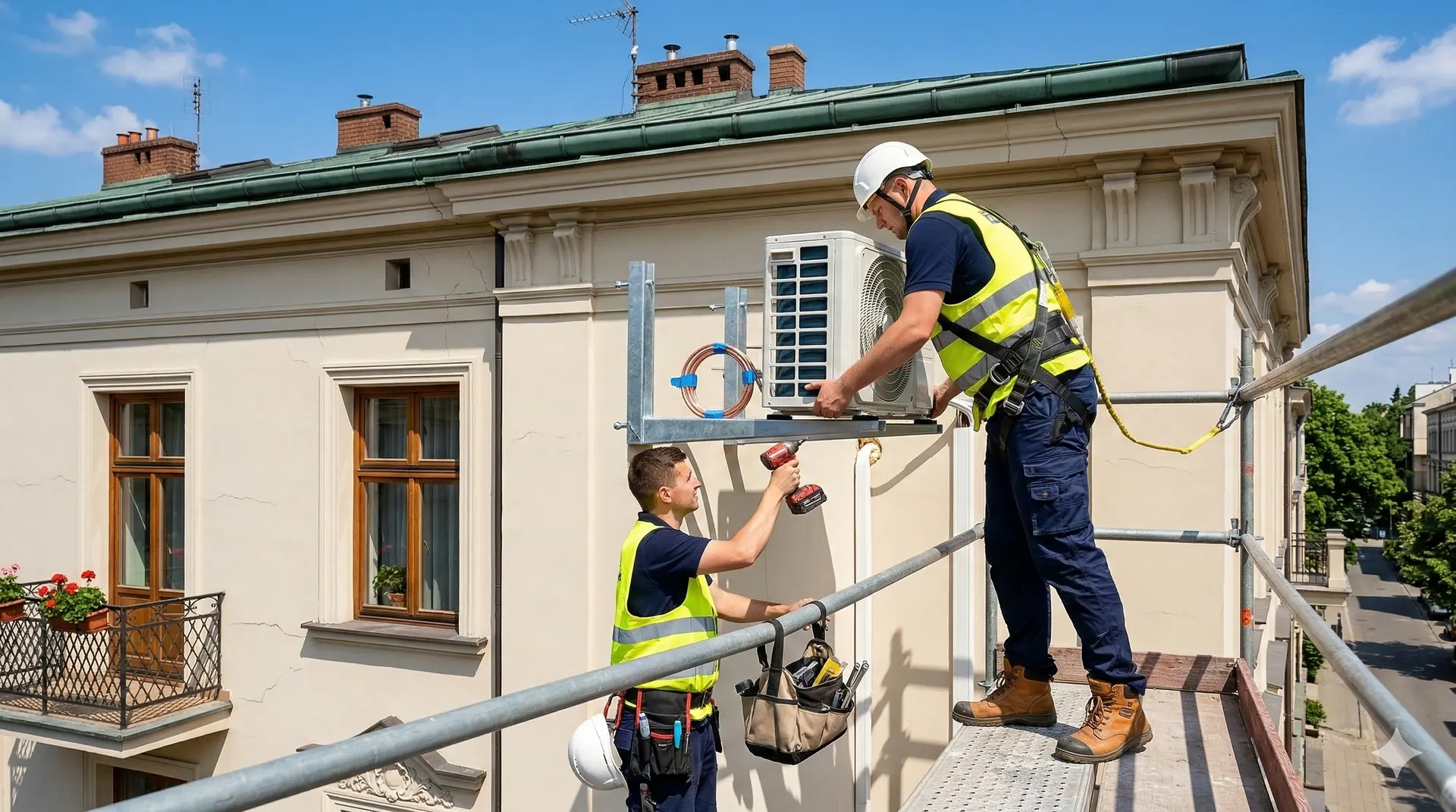
Unusual noises coming from either the indoor or outdoor unit should never be ignored, as they frequently indicate a developing mechanical fault. A rattling or buzzing sound from the outdoor unit often points to loose mounting hardware or debris caught in the fan assembly. A clicking noise during startup may indicate a failing capacitor or relay. Grinding or squealing sounds from the indoor unit can signal a worn fan motor bearing. Each of these noises has a specific cause that a trained technician can identify and resolve before it leads to a complete component failure.
Weak or uneven airflow is a problem that builds gradually and is easy to overlook until the unit no longer cools the room effectively. The most common cause is simply a dirty filter restricting the air passage, but it can also result from a failing indoor fan motor, a blocked evaporator coil or incorrectly set louver positions. Persistent bad odours when the AC runs — often described as musty or sour — indicate mould or bacterial growth inside the unit, typically on the evaporator coil or in the drain pan. A professional deep clean with antimicrobial treatment resolves this problem completely.
Electrical failures account for a significant proportion of AC breakdowns, particularly in older systems or installations with inadequate electrical protection. Common electrical issues include tripped circuit breakers, blown fuses, failed capacitors and damaged wiring caused by rodents or improper installation. These faults can be intermittent and difficult to diagnose without proper test equipment. A qualified technician will perform a complete electrical safety check as part of routine maintenance, identifying worn components before they fail during peak demand.
While some basic maintenance tasks — such as cleaning the washable filters — can be done by the homeowner, most AC issues require professional diagnosis and repair. Attempting to recharge refrigerant, repair electrical components or disassemble the unit without the proper training and tools risks further damage and can void your warranty. At LeoKlima, we offer fast-response repair and maintenance services across Warsaw. If your AC is showing any of the warning signs described above, contact us before the problem escalates — early intervention is always cheaper than emergency repair.