How to Choose AC for Your Apartment — 2026 Guide
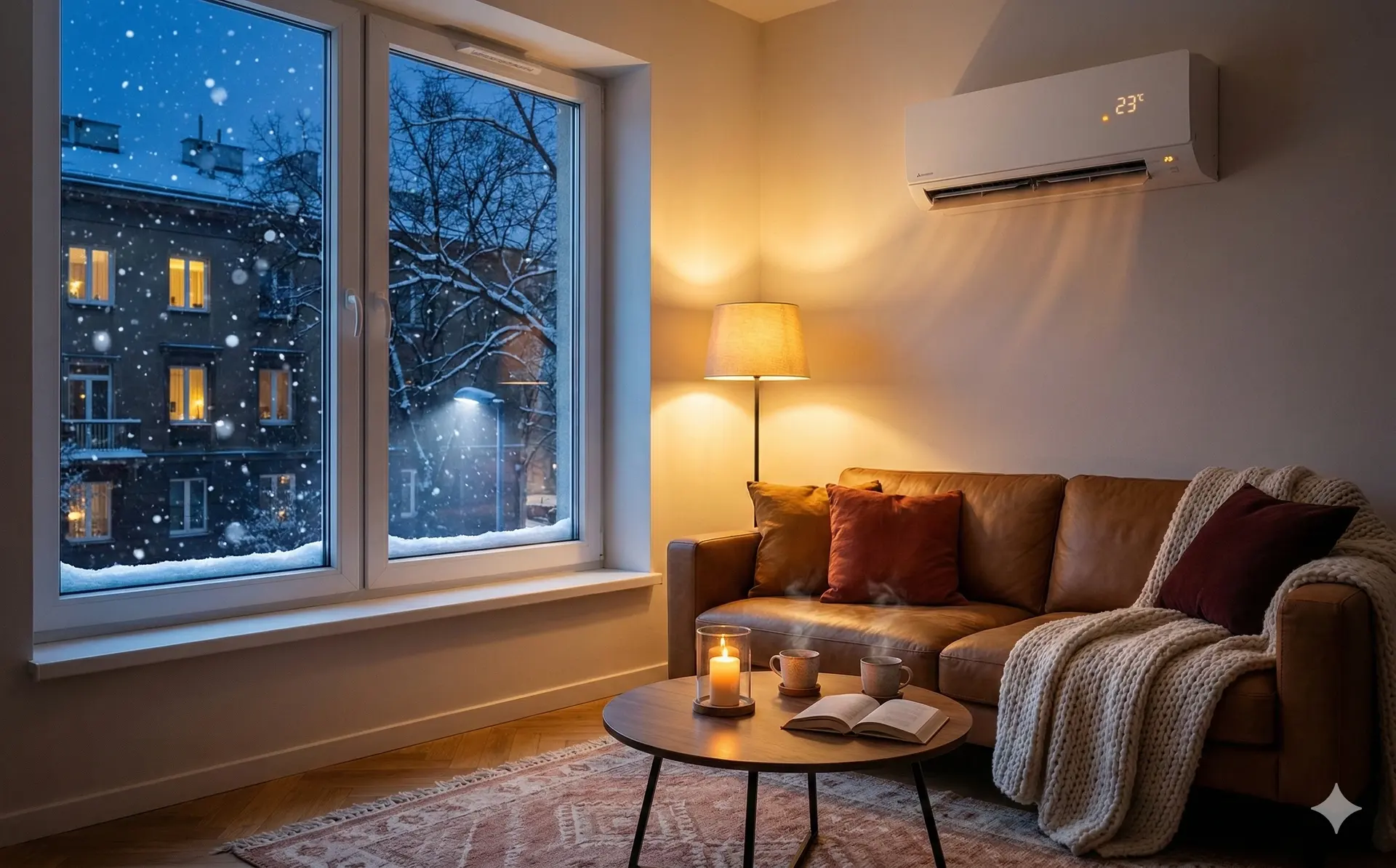
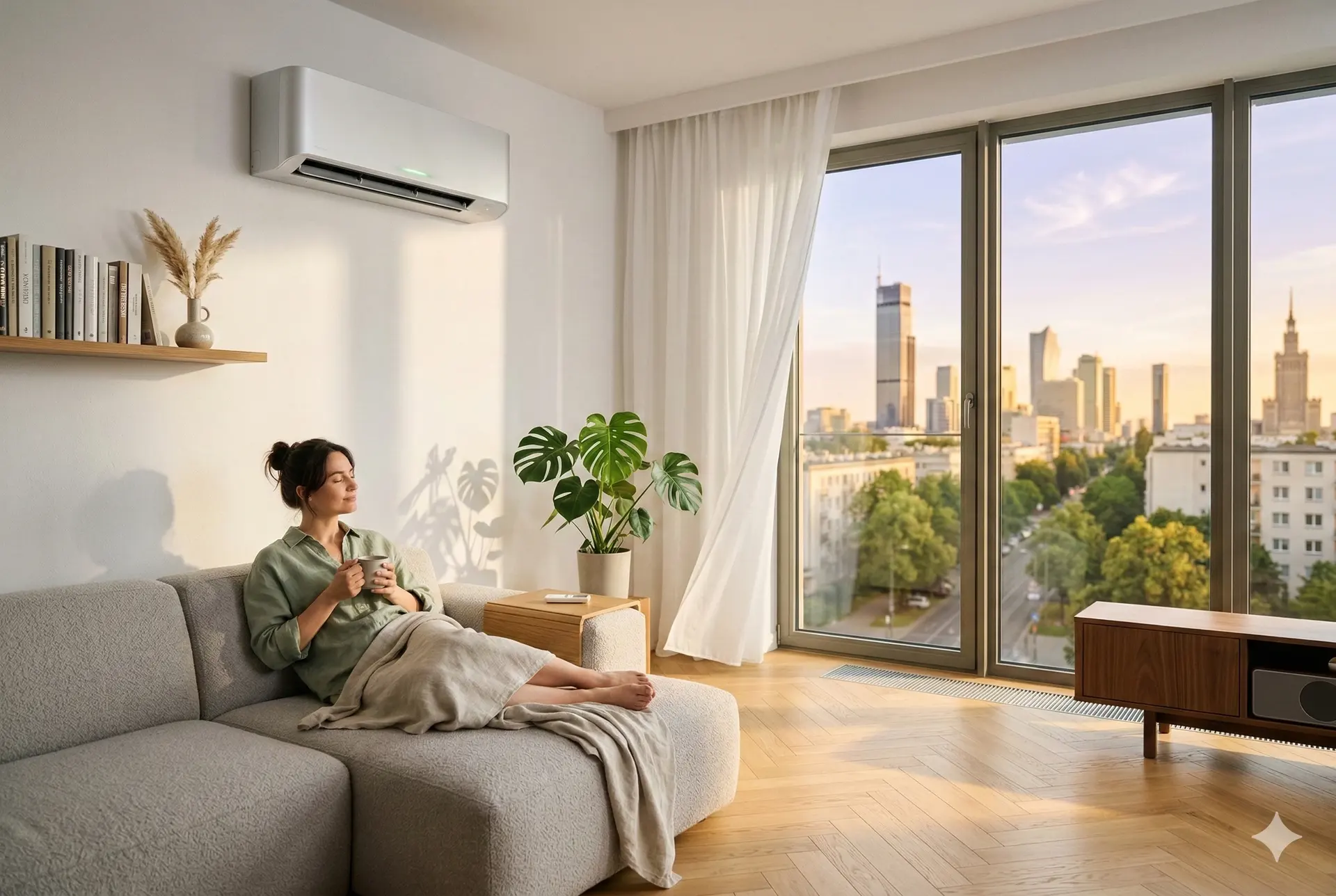
Choosing the right air conditioning system for your apartment is one of the most important decisions you will make for your home comfort. A unit that is too small will struggle to cool the space and run continuously, wasting energy and shortening its lifespan. An oversized unit, on the other hand, will cycle on and off too frequently, failing to dehumidify the air properly and creating uncomfortable temperature swings. Getting the sizing right from the start saves money and ensures years of reliable performance.
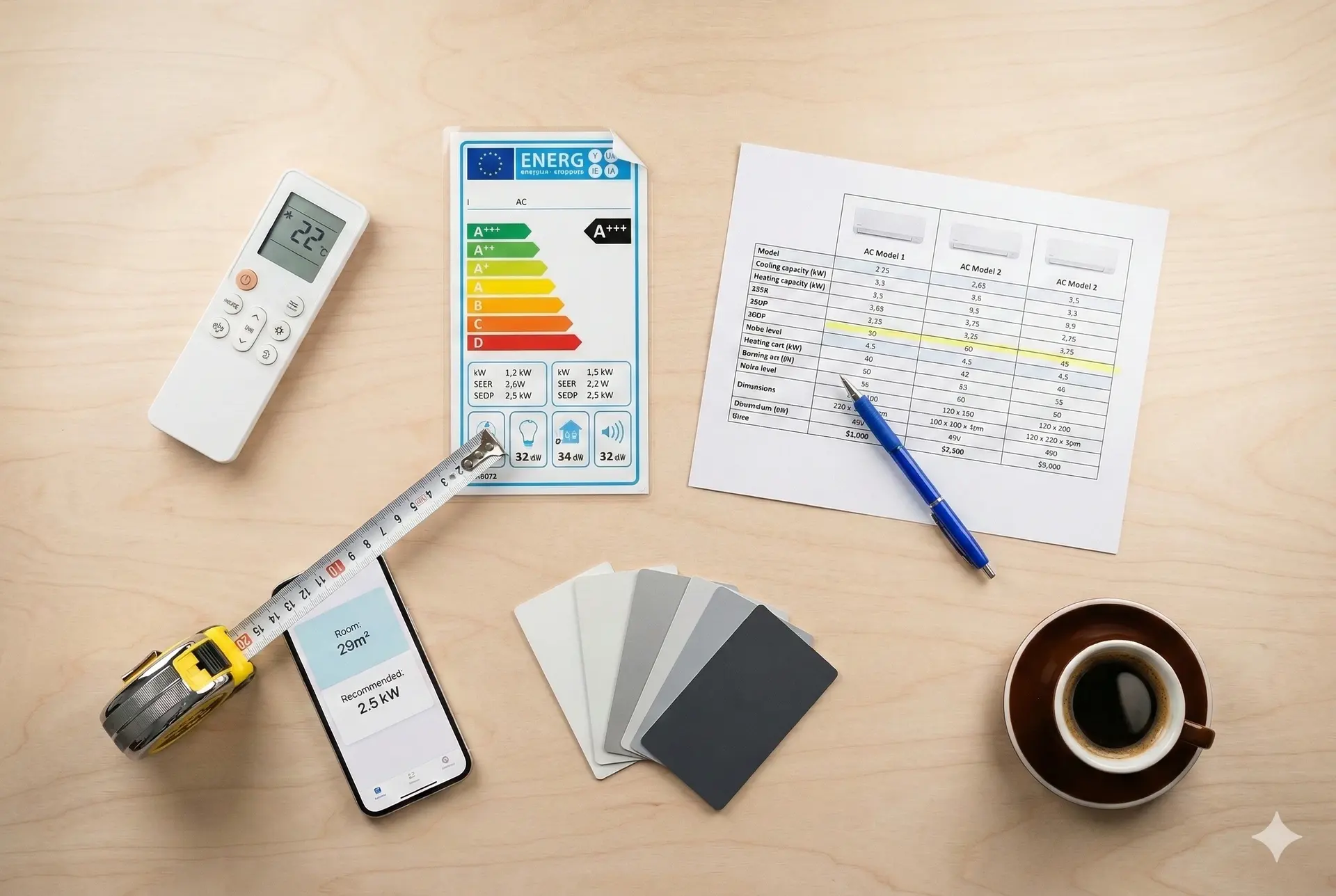
The foundation of correct AC sizing is calculating the cooling load for your rooms. The standard rule of thumb is approximately 100 BTU per square metre for a well-insulated apartment, but this figure must be adjusted for factors such as sun exposure, ceiling height, number of windows and heat-generating appliances. A south-facing living room with large glazing may need 120–140 BTU per square metre, while a shaded bedroom on the north side may need only 80–90. For a typical Warsaw apartment of 50–65 m², a single split unit rated at 3.5 kW (approximately 12,000 BTU) is often the ideal starting point.
The next decision is whether to install a single-split system or a multi-split configuration. A single-split pairs one indoor unit with one outdoor unit and is the most cost-effective solution for cooling one or two rooms. A multi-split system connects multiple indoor units to a single outdoor unit, which is practical when you need climate control in three or more rooms but have limited space on the facade for outdoor units. Multi-splits are slightly more expensive per room but offer a cleaner exterior appearance and centralised control.
Inverter technology should be considered non-negotiable in any modern AC purchase. Unlike older fixed-speed compressors that switch fully on or off, an inverter compressor adjusts its speed continuously to match the cooling demand. This results in energy savings of 30–50 percent compared to non-inverter models, significantly quieter operation and much more stable room temperatures. Every reputable manufacturer now offers inverter-driven units as standard, and the small price premium pays for itself within one to two cooling seasons.
Noise levels are a critical factor in apartment living, where walls are shared and bedrooms are close to living areas. Indoor unit noise is typically rated between 19 and 28 dB(A) on the lowest fan setting — for reference, 20 dB(A) is roughly the sound of a quiet whisper. The outdoor unit is usually louder, ranging from 45 to 55 dB(A), so its placement relative to your neighbours' windows matters. Always check the manufacturer's specifications for noise at both minimum and maximum operating speeds, as marketing materials often quote only the quietest setting.
Energy efficiency ratings help you compare running costs before you buy. In the EU, air conditioners are rated using the SEER index for cooling and SCOP index for heating. A SEER value of 6.0 or above places the unit in the A++ energy class, meaning significantly lower electricity bills over its lifetime. Leading brands such as Haier, Mitsubishi Electric, Daikin and Samsung all offer models with excellent efficiency ratings, and your choice between them should also consider after-sales service availability, spare parts and warranty terms in Poland.
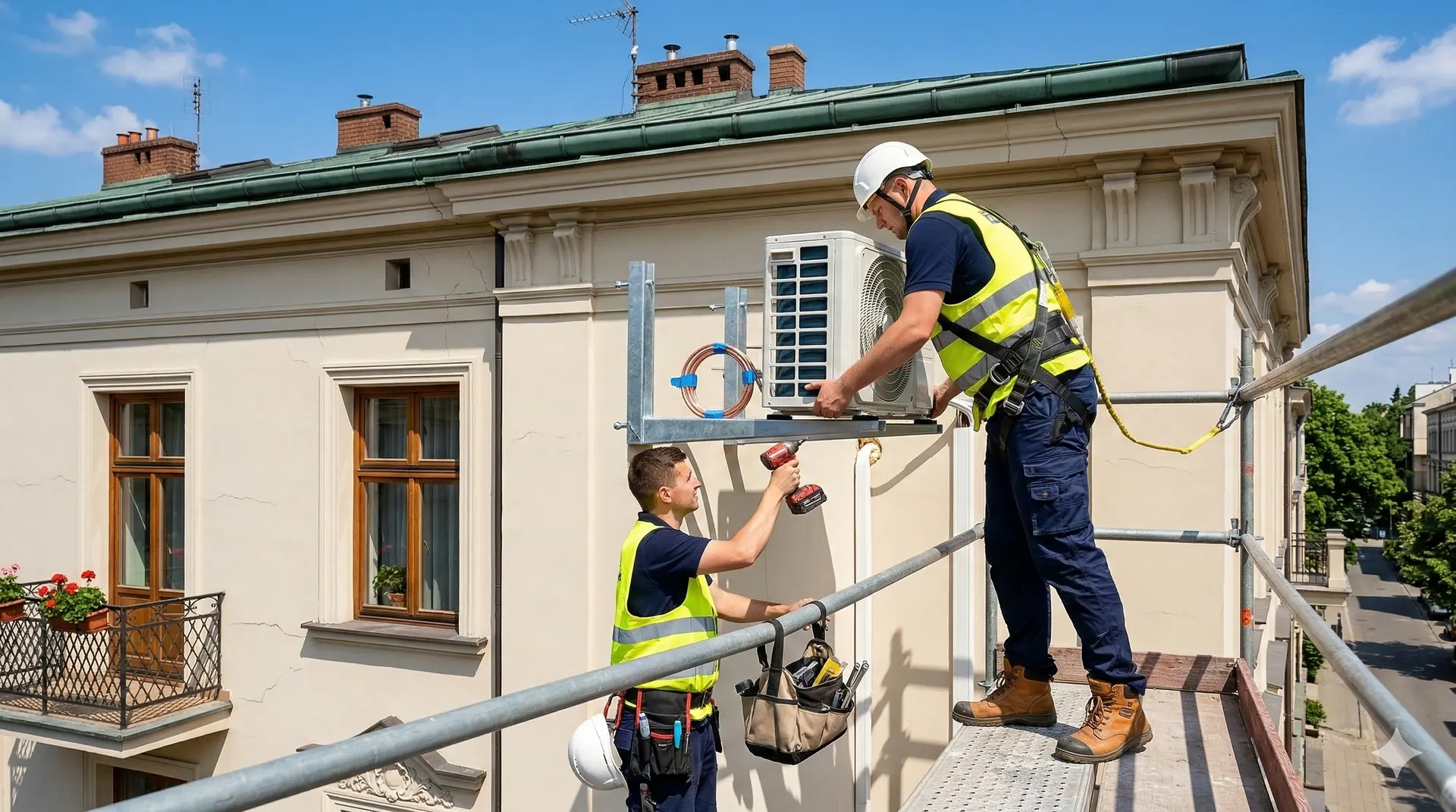
Ultimately, the best way to ensure you choose the right air conditioning system is to arrange a professional on-site survey. An experienced technician will measure the rooms, assess insulation quality, check the electrical supply and recommend the optimal equipment and installation route. At LeoKlima, we offer free site surveys across Warsaw and surrounding areas — contact us to book yours and receive a detailed, no-obligation quote tailored to your apartment.