LeoKlima
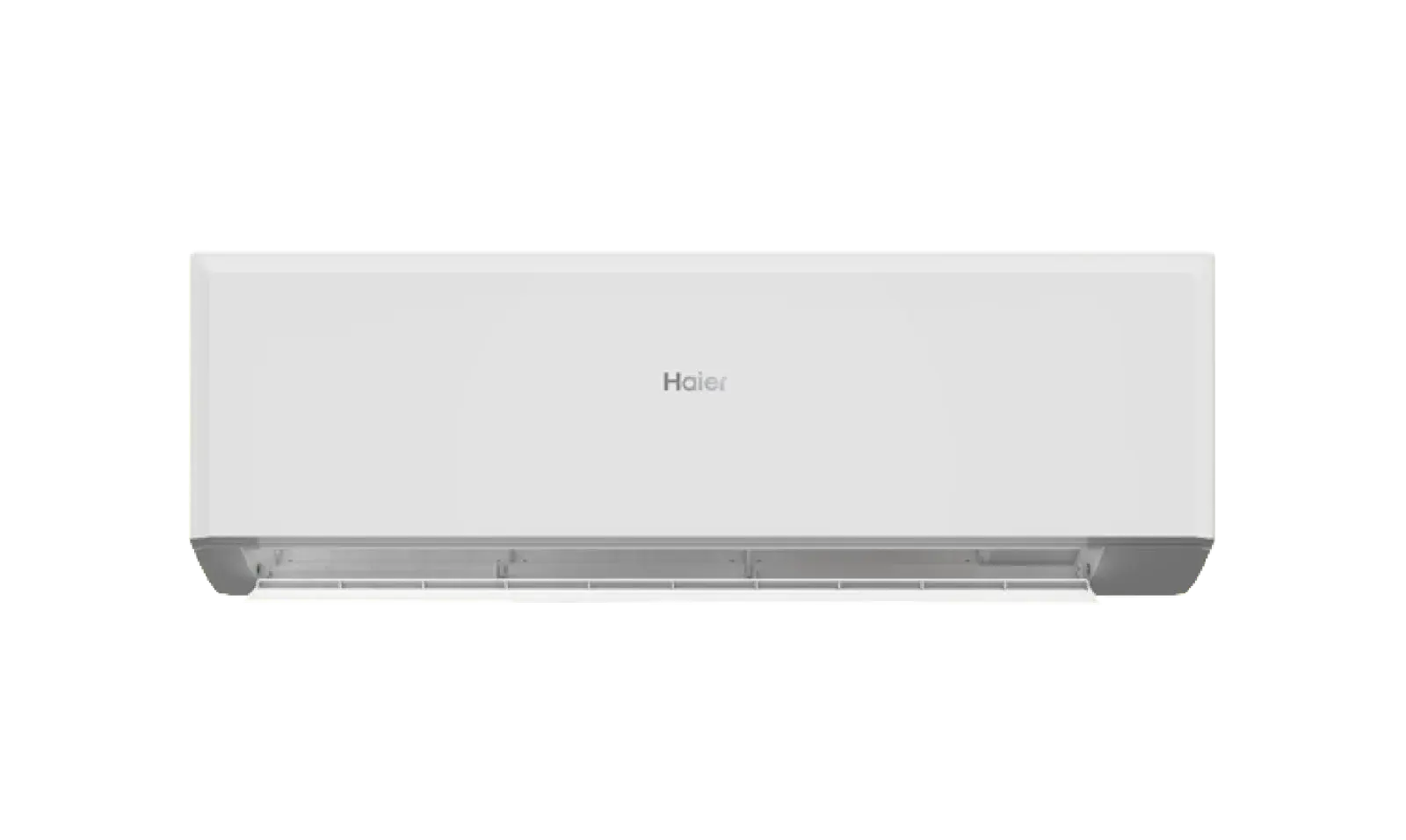
Haier
Revive Plus
- 3.5 kW
- Wi-Fi
- White
from 4,353 zł · incl. installation
View details →
Ariston
The Ariston Nevis Evo 3.5 kW is a wall-mounted air conditioner using R32, with class A+++ in cooling, a leak sensor and an odour and pollen filter.
Price incl. installation
Price on request
The Ariston Nevis Evo in the 3.5 kW variant is a wall-mounted air conditioner using R32 refrigerant, which the manufacturer describes through a handful of headlines: class A+++ in cooling, connectivity as standard, very quiet running and easy installation. The same list includes the I-clean and fresh functions and an odour and pollen filter. It is a proposal for someone looking for a modern unit for a single room, with the emphasis on economical operation and calm in the room. The model code in the manufacturer's catalogue is Nevis Evo R32 35 MUD0, and both the indoor and the outdoor unit appear under that same name.
The numbers describe this air conditioner more clearly than the headlines. Nominal cooling capacity is 3.5 kW, with a modulation range from 1.3 to 4.0 kW. Heating capacity is 4.0 kW and can vary from 0.9 to 4.5 kW. Seasonally the manufacturer gives SEER 8.5 in class A+++ and SCOP 4.6 in class A++. The indoor unit is 920 x 305 mm seen from the front, weighs 10.3 kg and has a sound pressure level from 21 to 41 dB. It cools at outdoor temperatures from -15 to 50°C and heats from -15 to 30°C.
This description relies only on the manufacturer's materials. Whether a flat, the installation route and the spot for the outdoor unit suit this model is something we check during a free assessment. We quote the installed price after a free assessment. When comparing several units, look at their own parameters: modulation range, seasonal classes, noise level and protective functions, not at general promises in a series name.
In Ariston's range the Nevis Evo is a wall-mounted air conditioner for a single room. Different capacity sizes have their own figures, which is why we describe only the 3.5 kW set here. It is a size that usually suits a living room or a larger bedroom in a flat of standard ceiling height, though the final choice always rests with the assessment: sun exposure, the number of people and the equipment in the room can shift the demand.
The manufacturer puts the emphasis on efficiency. Class A+++ in cooling means, in everyday use, low power consumption for the same output, and in heating the model reaches A++. On top comes the headline about high efficiency with SCOP 4.6. Together with the claim of very quiet running, this suggests that the Nevis Evo is meant for everyday use, not for switching on occasionally for a few days a year.
It is worth stating at once what the manufacturer's data says and what it does not. We know the air conditioner has a leak sensor, an odour and pollen filter, and connectivity as standard. We do not know the outdoor unit's noise level, so we do not give it, and we have no detailed descriptions of the I-clean and fresh functions. We will say how they really work only when we have a reliable source. That line between fact and guesswork matters to us, because a customer buys a specific device, not a story about it.
The most characteristic thing is the modulation range. In cooling the unit can work at an output from 1.3 to 4.0 kW, in heating from 0.9 to 4.5 kW. A wide span means that once the set temperature is reached the compressor can drop to low speed and hold comfort without constant switching on and off. In a flat where the room heats up quickly and then only needs maintaining, such running is more comfortable and calmer than in simpler systems that cycle.
Seasonal efficiency is SEER 8.5 in cooling (class A+++) and SCOP 4.6 in heating (class A++). In daily use cooling counts most, because it usually runs longest in the season, but an air conditioner with a good SCOP can also top up a flat's heating in spring and autumn. The outdoor temperature range is from -15 to 30°C in heating and from -15 to 50°C in cooling. That means in harder frost we do not count on stable heating output and we do not treat the unit as the only source of heat. The range starts at the same lower limit as in cooling but ends at 30°C, so on warm transitional days the unit can still top up the room.
The refrigerant is R32, and the maximum installation length between the units is 25 m. That is enough headroom in most flats, but we measure the actual route on site, because the scope of work and possible surcharges depend on it. The manufacturer also states that installation is easy, which translates into a shorter crew time, provided the walls and the route hold no surprises.
The manufacturer describes the Nevis Evo as a super quiet air conditioner. The numbers support this: the sound pressure level of the indoor unit lies between 21 and 41 dB depending on the fan speed. The lower value corresponds to quiet mode, in which the unit suits a bedroom; the upper one is the maximum speed, needed at the start of cooling. When comparing with other offers, check each unit's own dB scale, because differences of a few decibels are clearly audible at night.
Air quality is supported by an odour and pollen filter. The manufacturer says that by eliminating bacteria it prevents the causes of allergies. We take that cautiously: a filter is a mechanical part that needs regular cleaning, not a substitute for airing or vacuuming. If someone at home has strong allergies, it is best to discuss it beforehand so that the right filter-care routine can be agreed.
Among its advantages the manufacturer also lists the I-clean and fresh functions, but the available description does not say how they work. For that reason we promise no specific effects and only note that such functions are announced. There is also a leak sensor, which warns of a fluid leak and at the same time blocks the air conditioner's operation to avoid damaging the device. This safeguard does not affect comfort, but for the user it means peace of mind.
Among the main advantages the manufacturer lists connectivity as standard. That wording is general: from the materials we do not know what kind of connectivity is meant, which app is used for control or whether an extra module comes in the box. So we do not claim that the air conditioner has Wi-Fi with a specific app, only that the manufacturer announces connectivity without having to buy a separate part.
In practice, before ordering we confirm with the customer what they expect: whether it is control from a phone or the remote is enough. We check the connectivity details in the documentation of the specific unit, and after installation we show how to start the connection if it is available. This avoids the situation in which a customer learns after installation that they expected a different kind of control.
Regardless of connectivity, a wall-mounted air conditioner is operated day to day with a remote, and we configure the controls during commissioning. We set the basic modes, temperature and fan speed with the customer, and explain how the protective functions work, including the leak sensor. The briefing is short but prevents a situation in which the unit is used in only one default mode because the rest seems too complicated. It helps if everyone who will use the air conditioner is present on that occasion, so that each person knows how to switch it off and what to do when something is reported.
The indoor unit is white and wide: it is 920 mm wide and 305 mm high, and weighs 10.3 kg. It is a fairly broad body, so when choosing the spot you need to leave enough clearance above and at the sides for air to flow in and out freely. It suits a place above a sofa, a bed or a chest of drawers, where the width does not collide with a door or window.
The plain white body blends well into light walls, while on darker interiors it will be clearly visible. The manufacturer does not describe the finish or materials in more detail, so we do not elaborate. For many customers what matters more than looks is whether the unit is quiet and runs efficiently, and here the figures count: 21–41 dB, class A+++ in cooling and a modulation range from 1.3 to 4.0 kW.
The leak sensor belongs to the build as well and works as a safeguard: it detects a fluid problem and blocks operation so that damage does not follow. It is an element rarely thought about when choosing, yet it matters in a flat in a block, where a fault can affect neighbours too. We mount the outdoor unit on a bracket or base chosen for the balcony, facade or garden. In a block, before choosing the spot it is worth checking whether the residents' association or administration requires consent to change the look of the facade, because that often decides where the unit can hang.
Installing a Nevis Evo set covers mounting the indoor and outdoor units. We run the refrigerant, electrical and condensate lines over a run of up to a few metres, make the wall passage and lay the route so that it looks neat. Then we pull a vacuum, check the system for leaks, charge it with refrigerant and start the unit. The maximum installation length for this model is 25 m, and the manufacturer points to ease of installation.
After start-up we check the operating parameters and configure the controls, then hand over the warranty documents and explain the operation. Possible surcharges are discussed before work: they concern a longer route, drilling through concrete or reinforced concrete, wall chasing, a condensate pump and work from a lift platform. We set the scope during the free assessment. We quote the installed price after a free assessment, so you know what you are agreeing to before the crew shows up in your flat.
In daily use the most important thing is cleaning the filters, particularly since in this model the filter handles part of the air cleaning. Cleaned regularly it works as intended; clogged, it lowers airflow and raises noise. We also recommend an annual service and, before the heating season, a check that the condensate drain is clear and that the leak sensor reports no irregularities. If the unit has stood switched off for several months, a short check before first use avoids surprises in the middle of a heatwave, when service crews are busiest.
The Ariston Nevis Evo 3.5 kW is for someone who cares about low noise and good efficiency in cooling, and less about an extensive package of options. Its strengths are class A+++ in cooling (SEER 8.5), wide modulation from 1.3 to 4.0 kW, running from 21 dB at the indoor unit and the safeguard of a leak sensor. It works in a living room or bedroom where the air conditioner runs a few hours a day through the whole summer.
It suits less well if you expect a very low operating temperature in heating: the lower limit is -15°C, and SCOP 4.6 gives class A++, not A+++. Nor is it the pick for someone who wants full information about an app and Wi-Fi before buying, because the manufacturer's materials give only a general headline about connectivity as standard. In that case it is better to ask us earlier about the details of the specific unit. Likewise, if you plan the unit for a very small room, consider whether 3.5 kW is too much, as the modulation range goes down only to 1.3 kW.
To check whether this model suits your flat, book a free assessment. We will measure the route, judge the spot for the wide indoor unit and for the outdoor one, and tell you whether the scope of work falls within standard installation. We quote the installed price after a free assessment, and you decide with specifics in front of you rather than general slogans.
Technical data
| Model (indoor / outdoor unit) | Nevis Evo R32 35 MUD0 (jednostka wewnętrzna) / Nevis Evo R32 35 MUD0 (jednostka zewnętrzna) |
|---|---|
| Cooling capacity (nom.) | 3.5 kW (range 1.3–4.0 kW) |
| Heating capacity (nom.) | 4.0 kW (range 0.88–4.5 kW) |
| SEER (cooling) | 8.5 — class A+++ |
| SCOP (heating) | 4.6 — class A++ |
| Refrigerant | R32 |
| Noise level (indoor, min.–max.) | 21–41 dB(A) |
| Indoor unit dimensions (W/D/H) | 920/370/305 mm |
| Indoor unit weight | 10.3 kg |
| Operating range (cooling, outdoor) | -15°C to +50°C |
| Operating range (heating, outdoor) | -15°C to +30°C |
| Max. pipe length | 25 m |
Questions
The manufacturer gives a heating operating range at outdoor temperatures from -15 to 30°C. Heating capacity is 4.0 kW (from 0.9 to 4.5 kW) and SCOP 4.6 gives class A++. In hard frost we treat the unit as support for your heating.
The sound pressure level of the indoor unit is from 21 to 41 dB depending on the fan speed. The manufacturer calls the model super quiet. The materials contain no noise level for the outdoor unit.
The manufacturer lists connectivity as standard but does not describe which app is used or whether a module is needed. Before ordering we confirm the details for the specific set.
The indoor unit is 920 mm wide and 305 mm high and weighs 10.3 kg. The maximum installation length is 25 m. We set the scope of installation during the free assessment.