LeoKlima
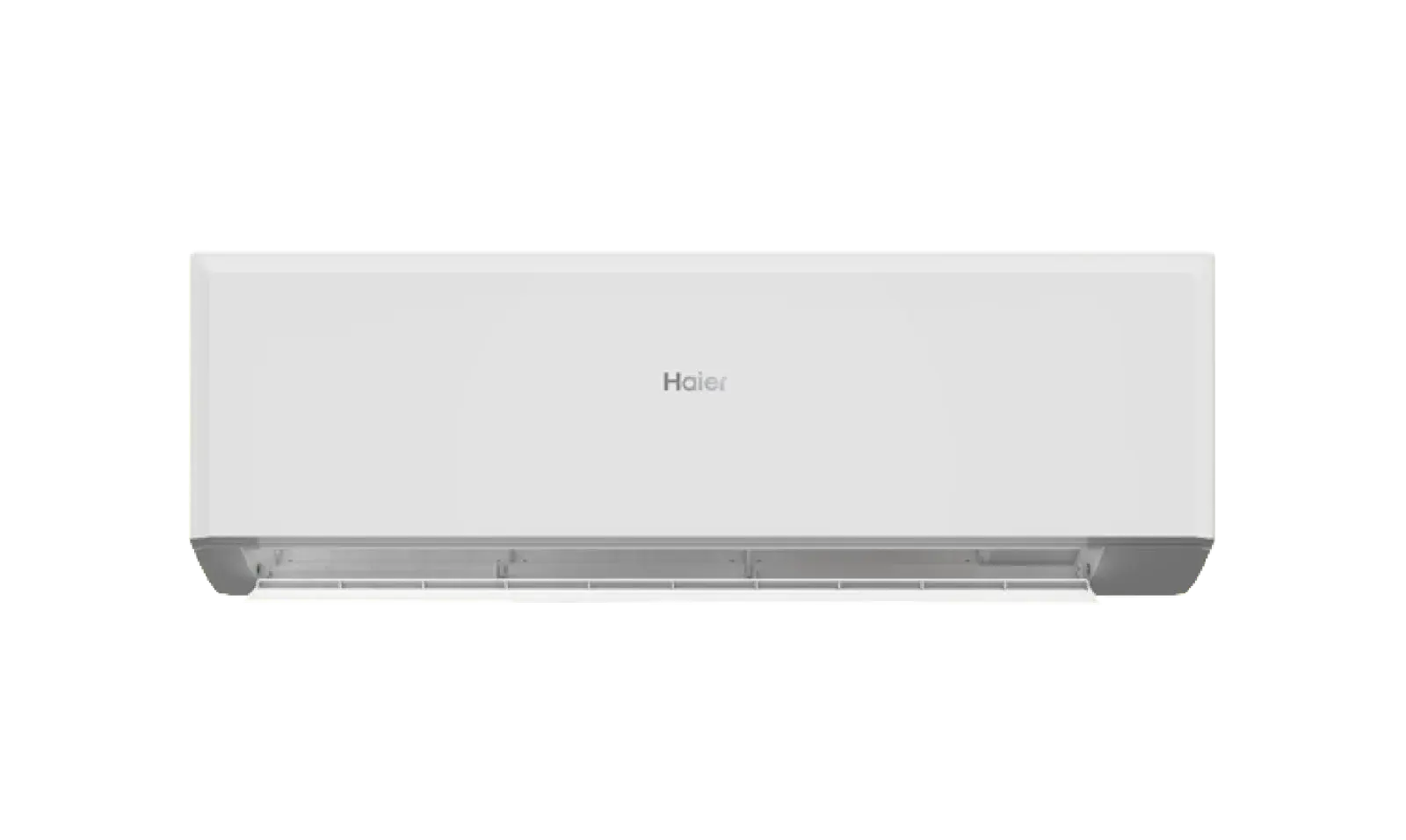
Haier
Revive Plus
- 3.5 kW
- Wi-Fi
- White
from 4,353 zł · incl. installation
View details →
Xiaomi
The Xiaomi Mijia Pro Eco 3.5 kW with the ASH-12WO/N1C3-EU indoor unit is a white wall-mounted air conditioner with SEER 8.5 and SCOP 4.6, an electronic expansion valve and control through the Xiaomi Home app.
Price incl. installation
Price on request
Mijia Pro Eco is a Xiaomi series built around energy efficiency rather than a long list of gadgets. The version with the ASH-12WO/N1C3-EU indoor unit has a nominal 3.5 kW of cooling and 3.6 kW of heating, and the manufacturer recommends it for rooms of 15–25 m². When you set it against other models in our catalogue, two numbers say the most: SEER 8.5 and SCOP 4.6. The first gives class A+++ in cooling, the second class A++ in heating for the average climate zone, which is the one Poland belongs to.
Xiaomi links these results to a full DC inverter and an electronic expansion valve, which according to the description improves savings, operating stability and service life compared with conventional systems. The cross-flow fan is 108 mm in diameter, and the air louvres are covered with micro-holes that break up the stream and give a gentler air movement. The system runs on R32 refrigerant. The indoor unit casing measures 840 x 200 x 311 mm and weighs 9.8 kg, so its width needs to be taken into account when planning a spot above a window or a wardrobe.
What the data leave out is just as important. Xiaomi gives no minimum or maximum output, no outdoor temperature range and no sound pressure level for the units. The description mentions low-noise operation, but without a number that could be compared, so we do not rate the noise. Operation is built around the Xiaomi Home app with the Mijia AI energy-saving mode and a live view of power use. This is a model for someone who chooses an air conditioner first and foremost by seasonal efficiency and wants the unit to use as little energy as possible over the year.
This page covers the 3.5 kW version of the Mijia Pro Eco series, with the indoor unit coded ASH-12WO/N1C3-EU. The manufacturer's Polish page does not name the outdoor unit code, so we leave it out. The "Pro Eco" label captures the focus of the series well: Xiaomi highlights efficiency classes and energy saving above all, and describes comfort and hygiene features far more briefly than for its other air conditioners. For a buyer that means a simple rule: you choose this model by the numbers on the energy label, not by the number of modes in the menu.
A nominal 3.5 kW in cooling and 3.6 kW in heating, together with the 15–25 m² recommendation, point to a bedroom, a child's room, a study or a moderately sized living room. In flats, this output is usually chosen for a single room, not for a whole floor. We make the final call after an on-site visit, because the outcome depends on which way the windows face, the floor level, wall insulation and whether the room opens onto a kitchen or hallway. With an open-plan living area, 3.5 kW may turn out to be too little.
It is worth saying straight away what the manufacturer does not publish: minimum and maximum output, outdoor temperature ranges in cooling and heating, maximum pipe length and sound pressure. Noise is given only as sound power, which cannot be set directly against the sound pressure values on other units' data sheets. This description therefore does not settle how quietly the Pro Eco runs, and concentrates on what can actually be checked in numbers.
The seasonal cooling ratio is SEER 8.5, which corresponds to class A+++ on the EU scale. In heating the SCOP is 4.6 for the average climate, meaning class A++. The manufacturer also gives an A+++ heating class for the warmer climate, but that rating applies to southern Europe, not to conditions in Warsaw, so when choosing we look at the result for the average zone. For context: a higher SCOP means the unit delivers more heat from the same amount of electricity across the whole heating season.
Behind these results is a full DC inverter system with an electronic expansion valve. Xiaomi's feature list also includes fast temperature control, temperature limit control, vibration reduction, a performance boost, adaptation to the surroundings and multiple protection systems. The manufacturer does not explain in detail how each of these works, so we treat them as product-page headlines rather than parameters you can base a purchase on. If one of them matters to you in particular, ask about it during the quote and we will check what information is available.
The manufacturer claims 30-second rapid cooling and 60-second rapid heating, without describing the test conditions; in both cases the 108 mm fan helps. The Mijia AI mode uses cloud-based artificial intelligence to reduce energy use without losing cooling performance. Xiaomi refers here to laboratory tests run at 32°C indoors and 35°C outdoors, and the real effect in a flat depends on insulation and habits. The manufacturer gives no minimum outdoor temperature for heating, so we do not claim how many degrees of frost the model heats down to.
The most distinctive comfort element of the Pro Eco is the set of micro-perforated louvres. Instead of one concentrated stream, part of the air passes through fine perforation, which makes the flow gentler. In practice this matters near a bed or a desk, where a direct jet of cool air can be tiring. At the same time the large 108 mm fan can move a lot of air quickly when you need to bring the temperature down after coming home to an overheated flat.
The manufacturer writes about low-noise operation, night-optimised running and vibration reduction. The data table, however, contains no sound pressure figure, so we have no number that would let us assess these claims or compare them with other models. If the unit is going into a bedroom, during the assessment we pay attention to where the outdoor unit sits in relation to your windows and your neighbours', and to how it is mounted.
The description of this model does not mention auto-cleaning, special filters or a dirty-filter reminder. Keeping it clean is therefore up to the user: in season it is worth rinsing the indoor unit's filter every few weeks, and once a year booking a clean of the heat exchanger and condensate tray. It is a simple task, but nothing in this unit does it for you, which is why we mention it before purchase. Regular hygiene also affects efficiency: a clean filter and exchanger help keep the performance you chose this model for.
The manufacturer's description centres on the Xiaomi Home app. Through it you control the air conditioner, switch on the Mijia AI energy-saving mode and follow power consumption in real time. The app also offers practical tips on cutting wasted energy. For someone who picked the Pro Eco for low bills, this view is a natural addition: you can see what a night of cooling or a cool morning of heating costs. The data also help you fine-tune settings, since even a smaller gap between indoor and outdoor temperature often visibly lowers consumption on hot days.
The unit can join the Xiaomi Home AIoT ecosystem and be linked into scenes with other devices from the brand around the home. The Polish product page, however, does not describe voice control or any requirements regarding the Wi-Fi band, so we do not promise those capabilities. If integration with a particular voice assistant is a condition of purchase for you, we will check it before placing the order.
The product page also lacks a description of a remote or any other way of operating the unit besides the app. We therefore confirm what is in the box during the quote, so that there are no surprises on installation day. At commissioning we set up the app on your phone, connect the unit to your home network and show you where to turn on the Mijia AI mode and how to read the energy use data.
The indoor unit has a white casing measuring 840 x 200 x 311 mm (width, depth, height) and weighs 9.8 kg. A width of 840 mm means that above a window, a balcony door or a tall wardrobe you need to plan a little more free wall than with narrower wall units. A depth of 200 mm, on the other hand, means the body protrudes only slightly, which you will appreciate in a narrow room or above a bed.
Visually, the micro-perforated louvres stand out. On the white casing they create a subtle texture while doing a practical job of diffusing the air. Otherwise the form is restrained, with no coloured panels or decorative trims, which makes the unit easy to fit into a light interior, whether in a new development or a renovated tenement building. The white body also sits well next to white skirting and door frames, so the unit draws no more attention than it has to.
The system runs on R32 refrigerant. The manufacturer does not state the maximum pipe length or the operating ranges of the outdoor unit, so we decide the position of both parts on site, in line with the installation manual supplied with the unit. In blocks where the housing community restricts changes to the facade, it is worth discussing this in advance. We place the outdoor unit so that it has free airflow and remains accessible for service, because that also determines whether the declared efficiency translates into real consumption.
Every installation is preceded by a free assessment in your flat. Together we choose where the indoor and outdoor units will go and agree the routes. The standard scope is mounting both units, up to a few metres of refrigerant, electrical and condensate lines, the passage through the wall and neat routing of the pipes and cables. Then we pull a vacuum, check for leaks, charge the system with refrigerant and start the air conditioner.
After start-up we verify the operating parameters, set up control in the Xiaomi Home app, explain how to use the unit and hand over the warranty documents. Any extra charges are agreed before work begins: for a longer line set, drilling through concrete or reinforced concrete, wall chasing, a condensate pump or work from a lift platform. We quote the installed price after a free assessment.
High seasonal efficiency only lasts while the unit is clean and sealed. A dirty filter and a dusty heat exchanger reduce performance, so regular filter rinsing and a yearly service with a leak check and a condensate drain check make measurable sense here. During the service we also look at the outdoor unit and its surroundings. If you notice weaker cooling, unusual sounds or water under the indoor unit, report it straight away instead of waiting for the next service.
The Mijia Pro Eco 3.5 kW is for someone who looks at SEER and SCOP first. Values of 8.5 and 4.6 for the average climate are concrete arguments if the air conditioner is going to work a lot: all day in summer, and in the shoulder seasons as the heat source for one room. Add to that the energy use view in the app, which lets you keep track of those savings.
Consider a different unit if you want quietness documented in sound pressure figures, declared heating in hard frost or automatic cleaning of the unit's interior. That information is not in the Pro Eco data and we will not fill it in ourselves. In such cases, during the quote we will point you to models in our catalogue for which the manufacturer publishes these figures. Also keep the 840 mm width in mind if wall space is limited.
In brief: a white 3.5 kW wall unit with the ASH-12WO/N1C3-EU indoor unit, SEER 8.5, SCOP 4.6, an electronic expansion valve and micro-perforated louvres, controlled through Xiaomi Home. Book a free quote and we will assess whether this output is enough for your room and where best to mount both units.
Technical data
| Model (indoor / outdoor unit) | ASH-12WO/N1C3-EU |
|---|---|
| Cooling capacity (nom.) | 3.5 kW |
| Heating capacity (nom.) | 3.6 kW |
| SEER (cooling) | 8.5 — class A+++ |
| SCOP (heating) | 4.6 — class A++ |
| Refrigerant | R32 |
| Indoor unit dimensions (W/D/H) | 840/200/311 mm |
| Indoor unit weight | 9.8 kg |
Questions
Yes. Its nominal heating output is 3.6 kW, and the SCOP for the average climate is 4.6 (class A++). The manufacturer does not, however, state the minimum outdoor temperature for heating, so we do not claim how hard a frost the model can still heat in.
The manufacturer does not publish the sound pressure of the units, only the sound power, which cannot be compared directly with other models' data. We therefore do not rate the noise in numbers. During the assessment we choose a mounting position that keeps any disturbance down, especially in a bedroom.
Yes, through the Xiaomi Home app, which also includes the Mijia AI energy-saving mode and an energy use view. The product page does not describe voice control or Wi-Fi band requirements, so we check those points before ordering.
The indoor unit measures 840 x 200 x 311 mm (width, depth, height) and weighs 9.8 kg. Above a window you therefore need at least that much free wall plus some margin for unobstructed air intake. We agree the exact position during the free assessment.